
When Melissa McCarthy stepped onto the “Saturday Night Live” stage with a visibly slimmer figure and a reported 95-pound weight loss, the internet did what it does best: it buzzed, speculated, and judged. Questions about weight-loss injections, Ozempic, and “how she did it” spread quickly. Even icons like Barbra Streisand reportedly wondered aloud if medication was involved.
Amid the noise, one quiet truth gets lost: visible transformation is easy to obsess over; invisible transformation is not. Yet it’s the inner work—the mindset shifts, boundaries, daily choices, and self-talk—that truly defines our well-being. McCarthy’s moment in the spotlight is less a story about pounds lost and more an invitation to rethink how we relate to our own bodies, goals, and the ways we change.
Instead of asking, “What did she use?” a wiser question might be, “What does this moment reveal about how we treat ourselves and each other?” Below are five mindful living insights inspired by this very public transformation and the culture swirling around it.
1. Shift From “How Do I Look?” to “How Do I Live With Myself?”
The public response to McCarthy’s appearance shows how deeply we’ve been trained to evaluate ourselves—especially women—by before-and-after images. Comment threads turned her body into a public project: Was it healthy? Was it “cheating”? Was it inspiring?
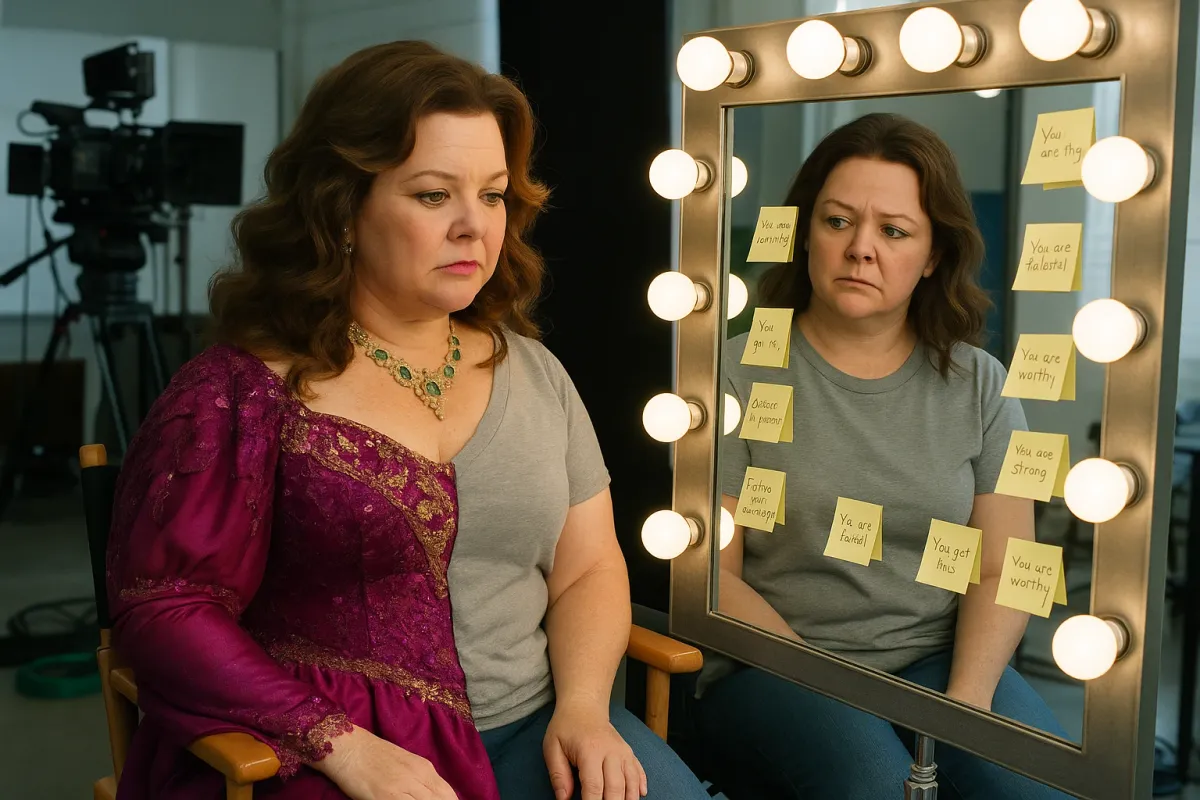
Mindful living asks us to step out of this exhausting loop. Instead of constantly evaluating our reflection, we can ask closer questions: How do I feel waking up most mornings? Can I hear my own needs beneath the noise of comparison? Do my daily choices honor my energy, not just my image? This shift doesn’t deny the reality of appearance; it puts it back in its proper place.
When your inner metric becomes “Can I live kindly and honestly with myself?” you start to measure progress differently. A day where you honored your limits, spoke gently to yourself, or chose rest over punishment becomes a success—even if nothing about your body has visibly changed. That is the kind of transformation that doesn’t depend on lighting, cameras, or public approval.
2. Treat Curiosity as Medicine—and Gossip as a Toxin
The reaction to McCarthy’s weight loss mirrors a wider trend: the rise of “body speculation culture.” Whenever someone appears different—thinner, fuller, lined with age, or smoothed by procedures—curiosity tilts into gossip. The question is rarely “Is she well?” and much more often “What’s the trick?”
Mindful living does not ask us to stop being curious; it asks us to refine our curiosity. Instead of dissecting someone else’s habits, we can turn that attention inward: Why does their body change trigger something in me? Is it envy? Fear of aging? A belief that I’m “behind”? These questions are uncomfortable, but they are medicine. They point us directly to the tender places where healing is possible.
Every time you feel pulled into body speculation—about a celebrity, a coworker, or someone in your family—pause and redirect: What is this stirring up in me? What might I actually need right now: reassurance, rest, perspective, or support? Slowly, gossip becomes a mirror, not a pastime.
3. Honor All Paths of Change—Slow, Fast, Messy, or Assisted
The public buzz around whether McCarthy used weight-loss injections reflects a deeper cultural anxiety: we tend to sort changes into “virtuous” and “unearned.” The long slog at the gym gets moral praise; medical help often gets side-eye. Yet in reality, most meaningful change is a blend of many things: timing, privilege, access to care, stress levels, genetics, and yes, sometimes medication.
Mindful living invites a more compassionate lens. If someone uses a tool—therapy, medication, surgery, a structured program—to align their life more closely with their values, that is their path. The question for us is not “Is their method pure?” but “Am I judging them so I don’t have to face my own discomfort with change?”
You might find yourself using supports you once said you’d never need: a sleep aid, a coach, a nutritionist, a budgeting app, or a mental health professional. That does not make you weak; it makes you willing. Mindfulness is not about doing everything the hard way—it’s about choosing consciously, with eyes open, and remaining honest about your motives and your limits.
4. Let Your Body Be a Conversation, Not a Project
When any celebrity transformation trends, the wellness industry quickly turns it into a template: “Do These X Things to Look Like…” or “Secrets Behind So-and-So’s New Body.” This feeds the illusion that our bodies are projects to be completed rather than relationships to be tended. Projects have deadlines and deliverables; relationships have seasons, setbacks, and ongoing dialogue.
Mindful living treats the body as a living conversation. Some days, your body says, “More movement, please.” Other days, it says, “Less pressure. More sleep. Softer clothes.” Listening doesn’t mean you always love what you hear; it means you stop gaslighting your own signals. When you’re exhausted but force another workout “to be good,” you are not listening. When you numb out with food or overwork because you’re afraid to sit with your feelings, you are not listening either.
A wiser approach: Ask your body one sincere question each morning—What would support you today?—and give yourself permission to respond in small, reachable ways. A glass of water before coffee, a five-minute stretch, canceling an optional commitment, or simply eating without a screen can all be acts of respect. Over time, this turns change from punishment into partnership.
5. Protect Your Inner Life From the Algorithm’s Demands
Melissa McCarthy did not simply lose weight; she returned to an industry that profits handsomely from “transformation narratives.” Social platforms and entertainment outlets know that drastic change is clickable. Algorithms amplify the extremes: stunning glow-ups, shocking declines, dramatic breakdowns, and rigid “what I eat in a day” routines. Our feeds slowly teach us that we, too, must be constantly optimizing to deserve attention.
Mindful living asks a different question: What kind of attention do you actually want? A life built around external approval is like living in a house with glass walls—you might be admired, but you never truly rest. Protecting your inner life means setting gentle limits on how much your worth is allowed to rise and fall with likes, trends, or other people’s hot takes on your choices.
This might look like unfollowing accounts that turn wellness into spectacle, curating your feed toward nuance and kindness, or even stepping back from constant documenting. There is a sacredness in private progress—the quiet decision to care for yourself in ways no one will ever applaud. Not every change needs a before-and-after post. Some of the most important shifts in your life will be known only to you and the people who truly see you.
Conclusion
Melissa McCarthy’s much-discussed transformation is not just celebrity gossip; it’s a mirror held up to our collective obsessions with appearance, methods, and moralizing change. We can use this moment to harden our judgments—or to soften our gaze.
Mindful living does not forbid ambition, health goals, or even aesthetic desires. It simply insists that we pursue them without losing ourselves. When you shift from “How do I look?” to “How do I live with myself?,” refine your curiosity, honor many paths of change, treat your body as a relationship, and shield your inner life from the algorithm’s demands, you step into a quieter, sturdier way of being.
Some transformations will be visible. Many will not. The wisest ones often happen far from the camera: in the way you talk to yourself after a mistake, in the boundaries you gently hold, and in the quiet decision—day after day—to live in a body with more respect than regret.
Key Takeaway
The most important thing to remember from this article is that this information can change how you think about Mindful Living.